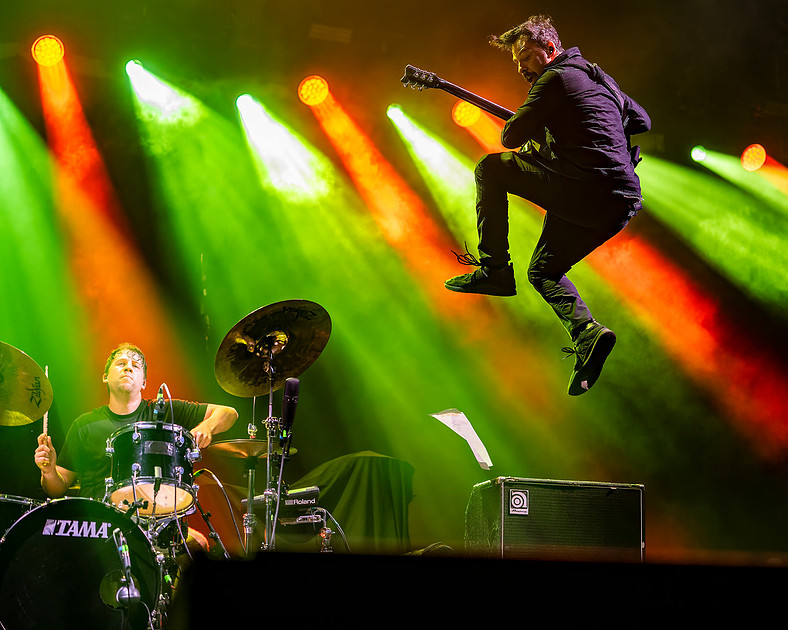
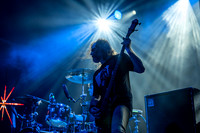
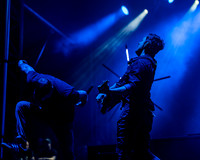
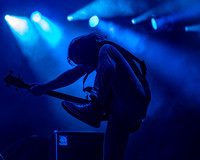
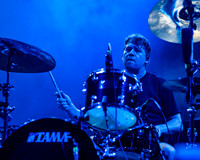
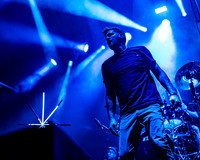
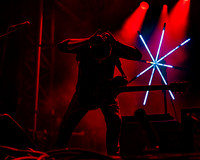
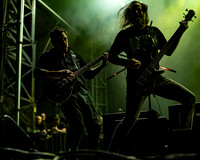
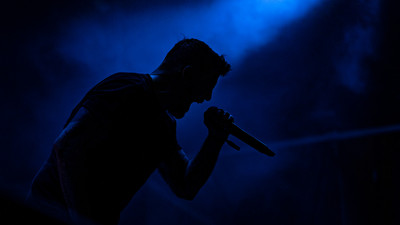
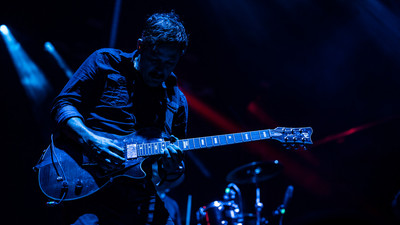
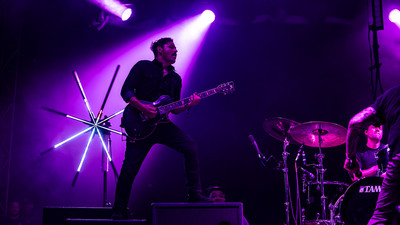
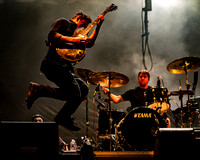
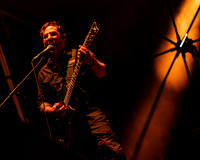
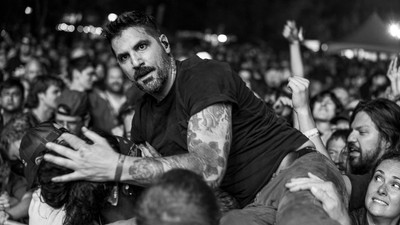
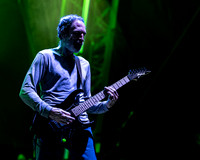
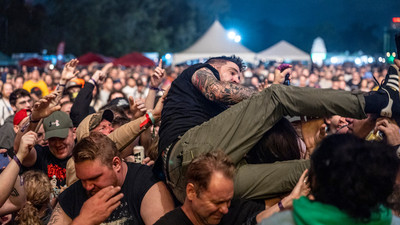
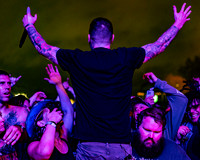
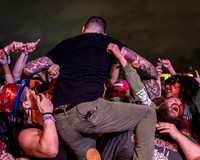
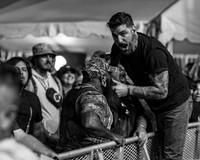
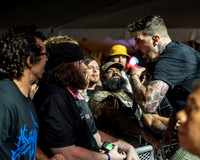
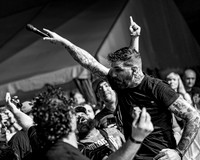
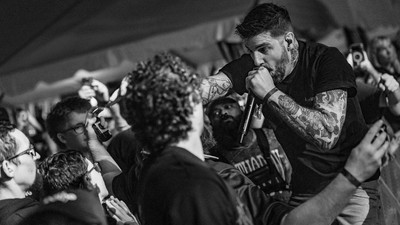
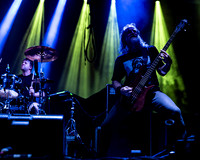
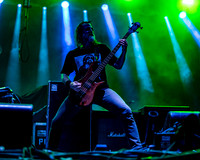
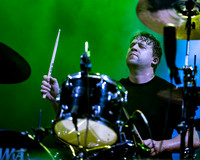
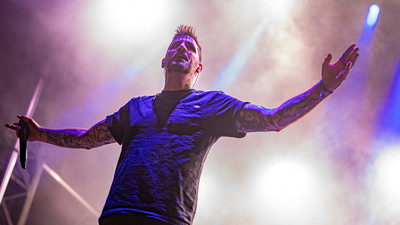
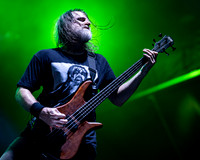
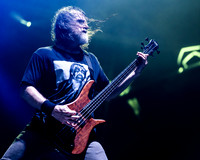
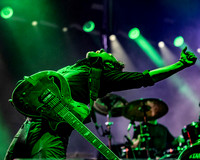
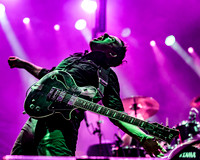
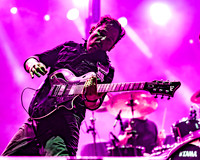
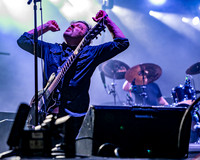
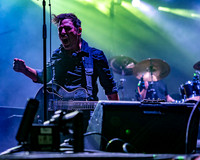
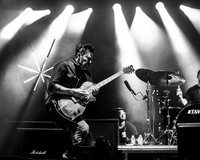
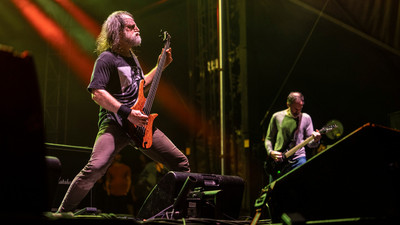
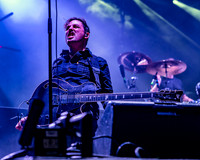
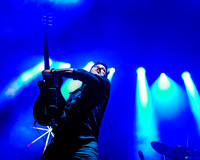
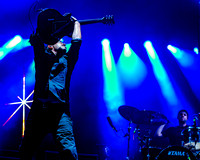
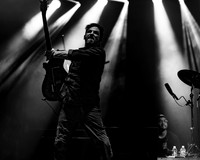
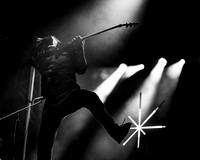
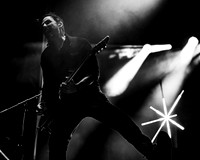
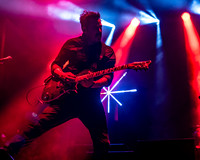
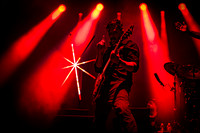
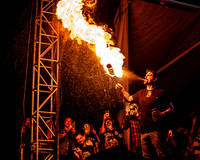
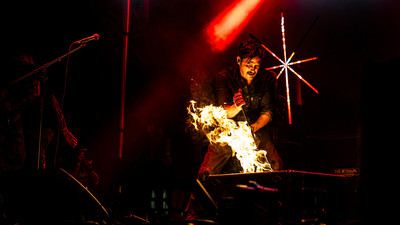
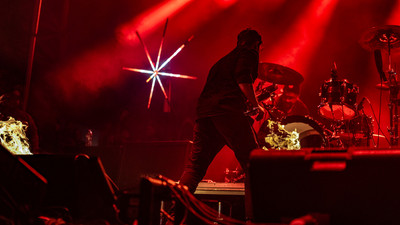
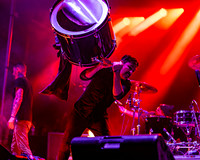
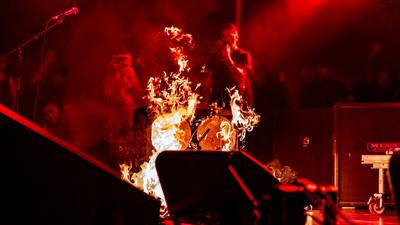
Dillinger Escape Plan - Furnace Fest Beautiful Chaos
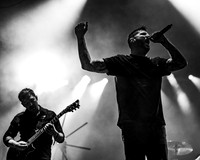
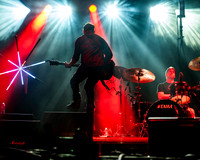
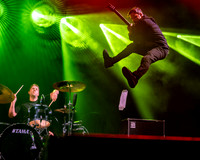
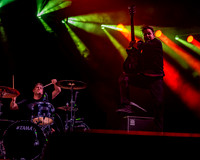
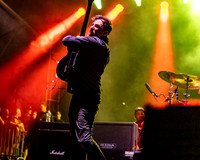
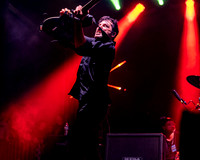
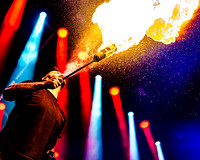
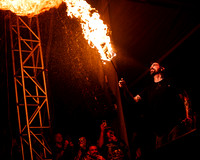
When There Are Too Many Great Photos — and That’s the Best Problem to HaveThere’s a special kind of joy — and a little bit of agony — that comes with a shoot where the hardest part isn’t nailing the shot, but deciding which one to share. That’s exactly the situation I found myself in photographing The Dillinger Escape Plan. If you’ve ever seen them live, you know: this is not a band that stands still. They don’t play a show — they detonate one. Every second is pure energy. Instruments are airborne. Musicians launch themselves into the air as if gravity and self preservation and just ideas and somewhere in the chaos, an entire story unfolds in real time. As a photographer, you don’t have to look for the shot — the shot is coming for you, over and over again. And that’s where things get beautifully complicated: when the subject is this good, you end up with too many images worth keeping. You can scroll through thousands of frames and realize almost all of them feel alive... The Gear That Makes It Possible (But Not the Star)There’s no denying that the right tools make a difference when you’re trying to capture that kind of energy. The Sony A9 III is a machine built for moments like these. Its blackout-free shooting means I never lose sight of what’s happening — critical when a guitarist might launch himself skyward with zero warning. The autofocus isn’t just fast; it's mindreading and can somehow see the future. It locks onto moving subjects with a confidence that feels almost telepathic, tracking them no matter how erratic the motion. Paired with the Sony 50–150mm f/2 G Master, the versatility is almost unfair. That zoom range is perfect for live music — wide enough to pull in the whole scene, tight enough to isolate a performer mid-flight. The constant f/2 aperture gives me the flexibility to freeze action in challenging stage light, while still delivering creamy separation and beautiful rendering. But here’s the truth that’s easy to forget when we talk about gear: none of this would matter if the subject weren’t worth photographing. The best autofocus system in the world can’t create raw emotion. The fastest shutter in existence can’t make someone jump off an amp with abandon. Cameras don’t make magic — people do. The Real Secret: Subjects That Give EverythingThe reason I left this show with an almost absurd number of keepers had far less to do with megapixels, frame rate, or AF and more to do with passion. Dillinger performs like every show might be their last — and that level of commitment translates directly into compelling images. Every leap, every shout, every bead of sweat is a gift to the photographer willing to keep up. That’s the beauty of photographing artists who leave nothing on stage: they make you better. They remind you that your job is not just to freeze motion, but to bottle energy. To translate the physical into the emotional. And when they’re giving 110%, you’re forced to rise to the same level behind the lens. Too Many Great Photos? That’s the Point.If you ever find yourself complaining that you took too many good photos, stop and smile. That’s not a problem — that’s a privilege. It means the story unfolding in front of your camera was worth telling. It means the people you photographed gave you everything they had. And it means you were lucky enough to be there when lightning struck over and over again. That’s the beautiful truth of photography: the gear helps, but the story matters more. And when the story is as intense, unpredictable, and alive as a Dillinger Escape Plan show… well, good luck choosing just one.
Keywords:
action shots,
band photography tips,
capturing live energy,
concert photography,
Dillinger Escape Plan,
high-speed autofocus,
live music photography,
low light photography,
music photography gear,
photographing live performances,
Sony 50-150mm f/2,
Sony A9 III,
stage photography techniques
Comments |